Slavic Countries
Slavic countries are the nations whose majority population speaks a Slavic language and shares Slavic heritage. Linguists split them into three branches: East Slavic (Russia, Ukraine, Belarus), West Slavic (Poland, Czechia, Slovakia) and South Slavic (the former Yugoslav states plus Bulgaria). These languages descend from a common ancestor, Proto-Slavic, which is why a Pole and a Croat can often recognise fragments of each other's speech.
13 countries Countries with a Slavic majority language, grouped into the East, West and South Slavic branches.
| Country | Capital | Currency | Population |
|---|---|---|---|
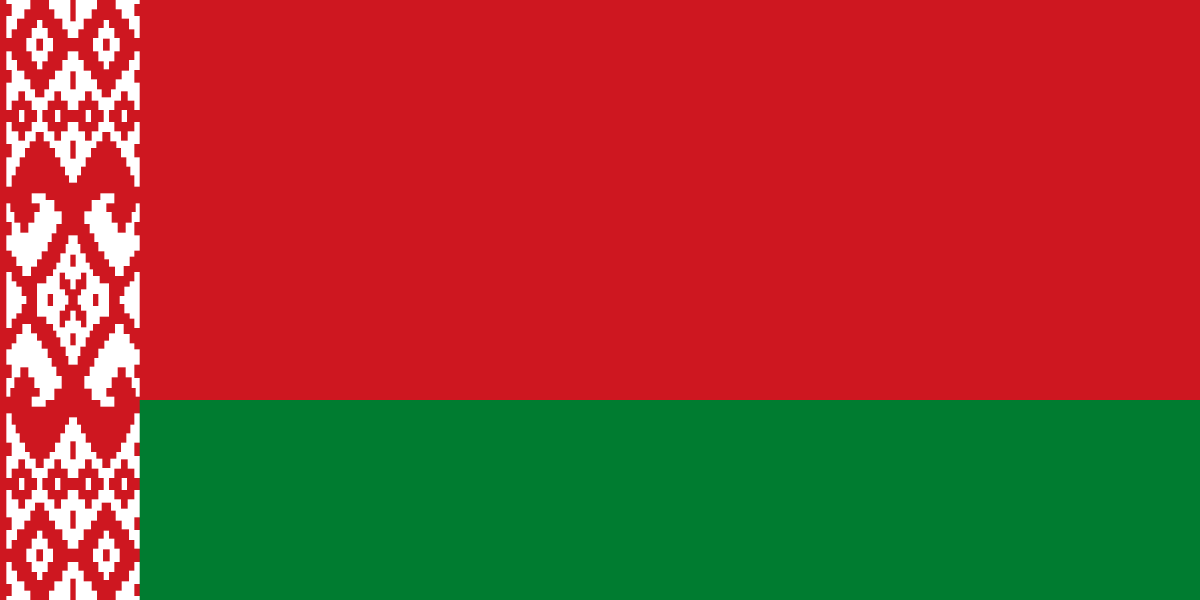 Belarus Belarus | Minsk | BYN Br | 9,085,991 |
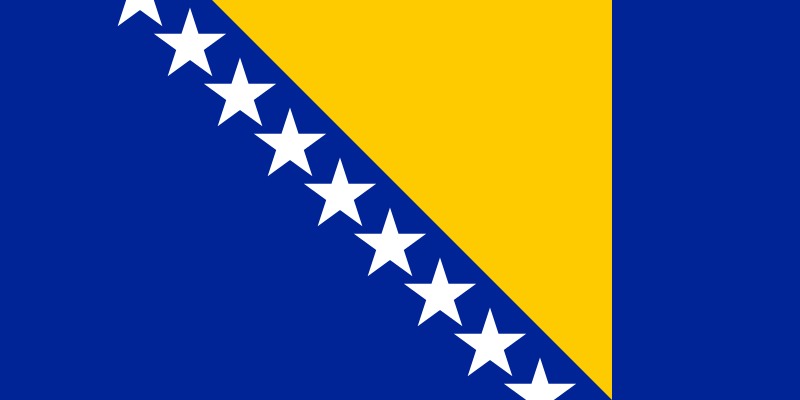 Bosnia and Herzegovina Bosnia and Herzegovina | Sarajevo | BAM KM | 3,140,095 |
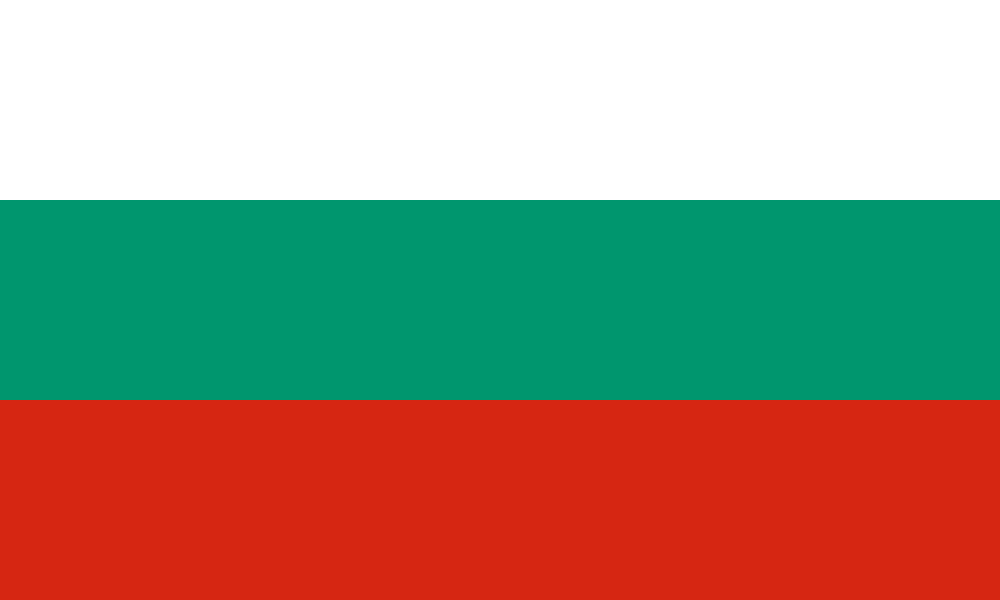 Bulgaria Bulgaria | Sofia | EUR € | 6,433,302 |
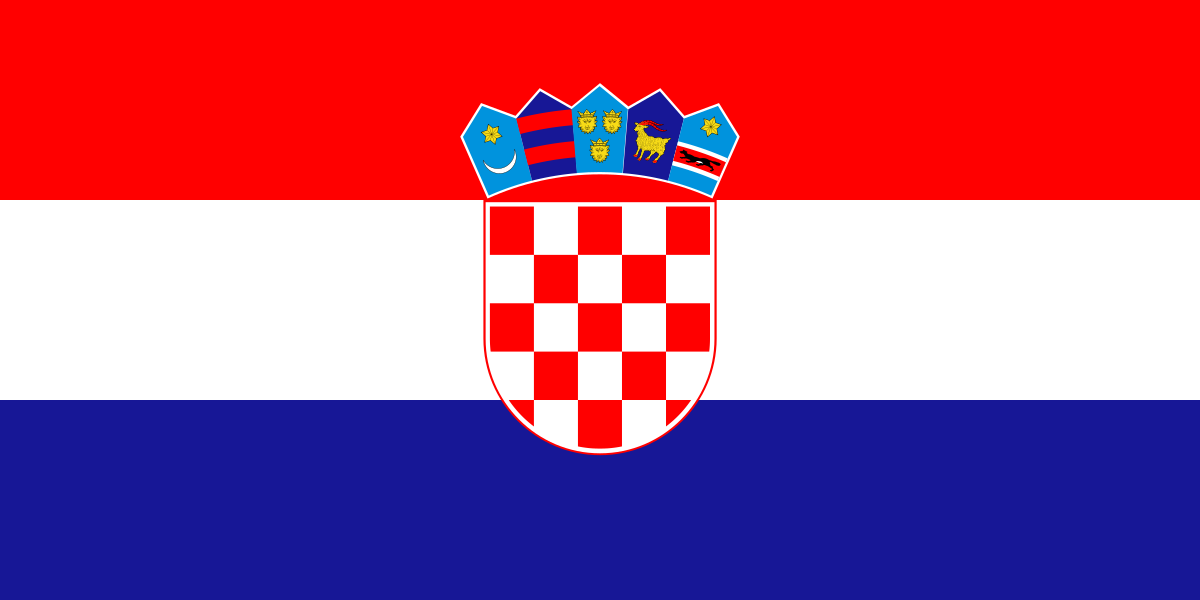 Croatia Croatia | Zagreb | EUR € | 3,876,200 |
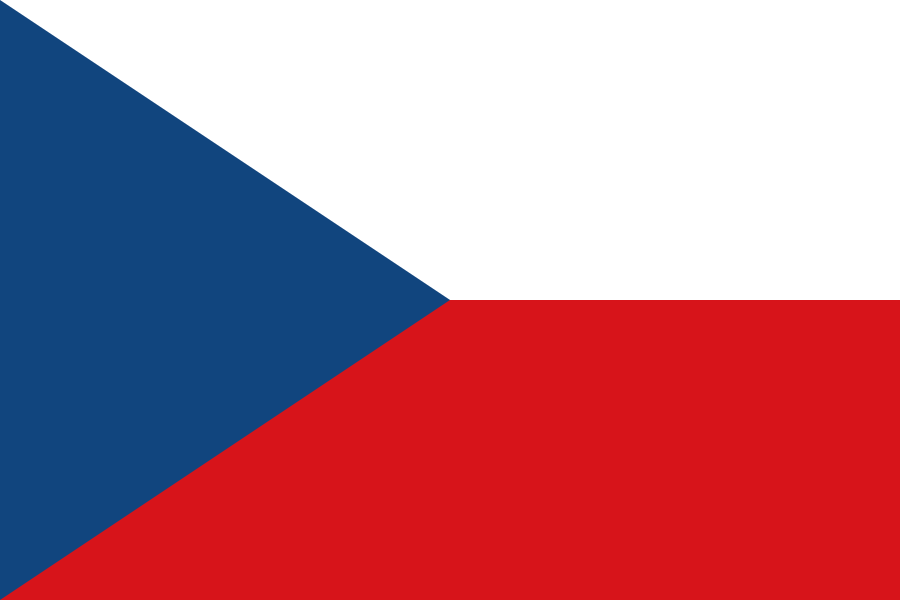 Czechia Czechia | Prague | CZK Kč | 10,886,878 |
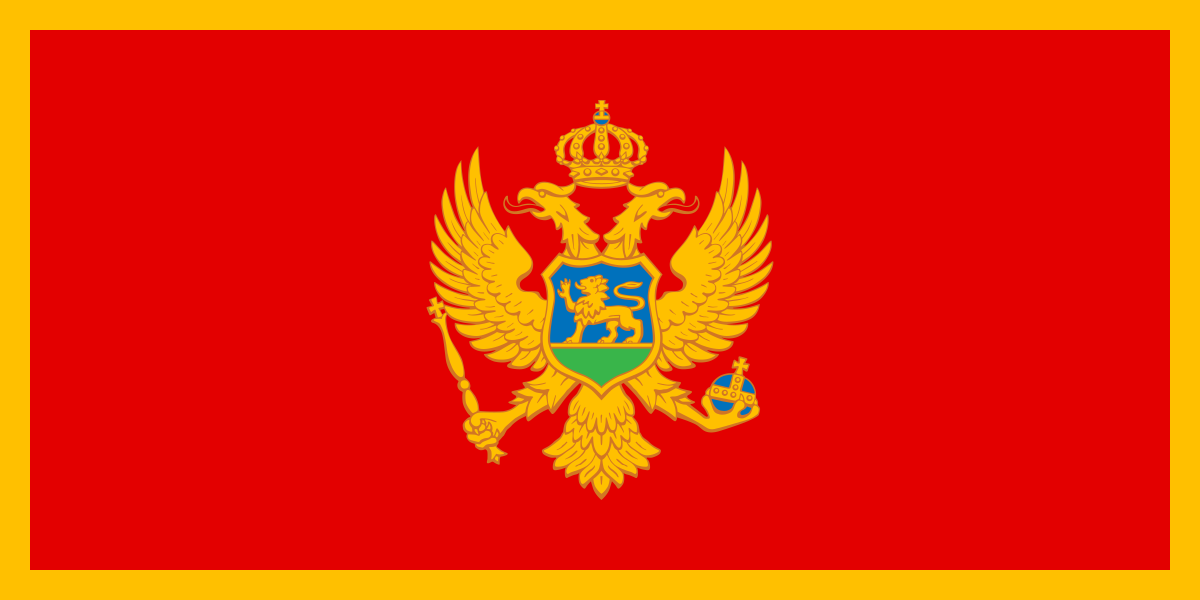 Montenegro Montenegro | Podgorica | EUR € | 623,129 |
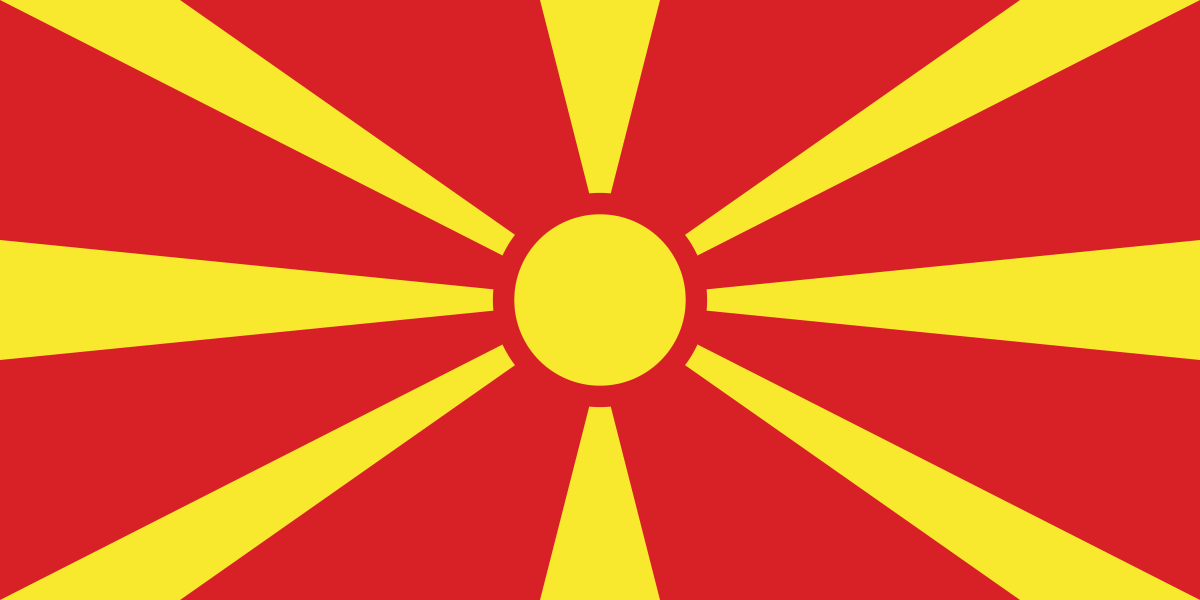 North Macedonia North Macedonia | Skopje | MKD den | 1,820,909 |
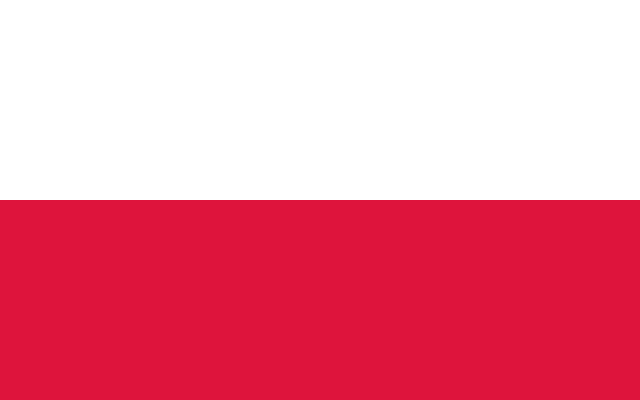 Poland Poland | Warsaw | PLN zł | 36,435,861 |
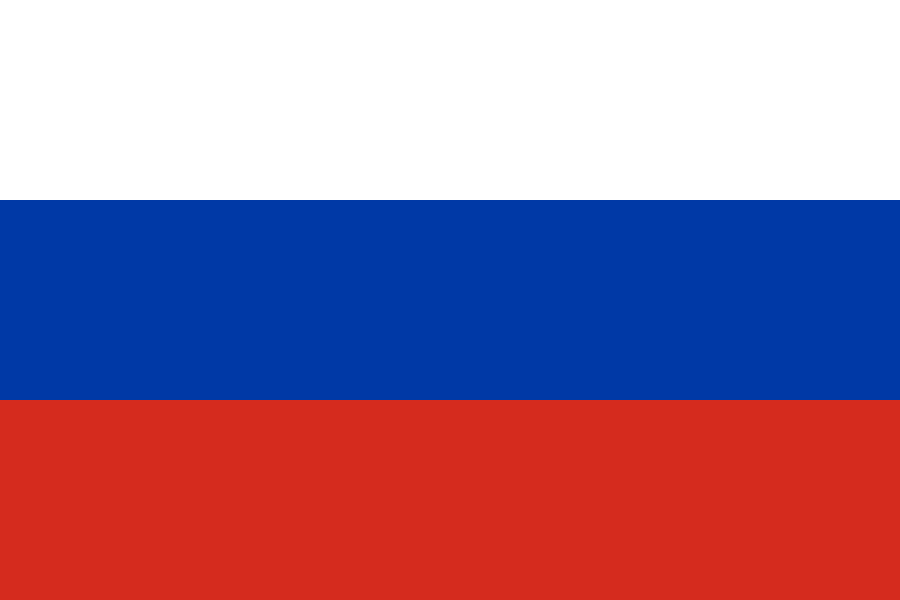 Russia Russia | Moscow | RUB ₽ | 143,513,328 |
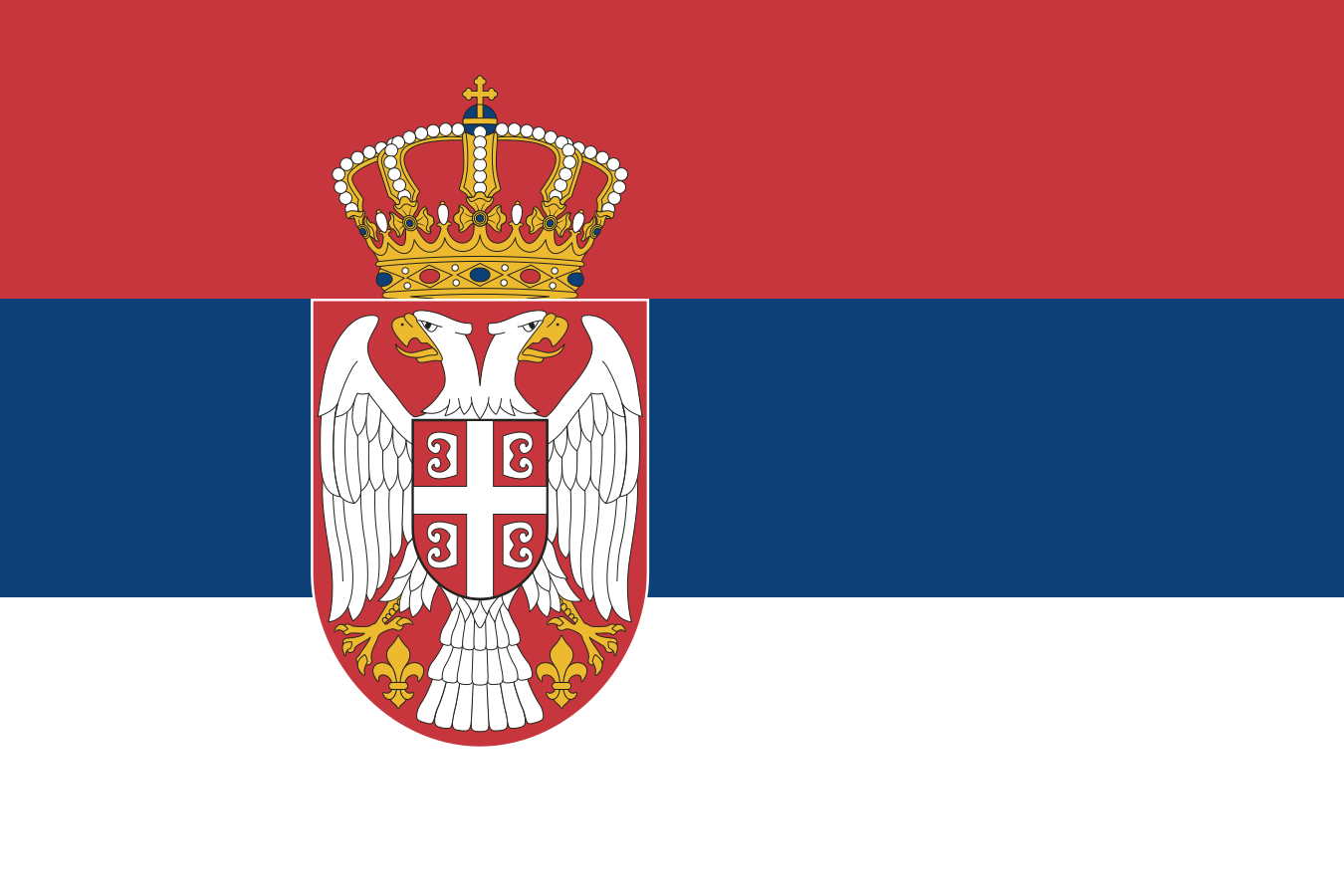 Serbia Serbia | Belgrade | RSD дин. | 6,549,143 |
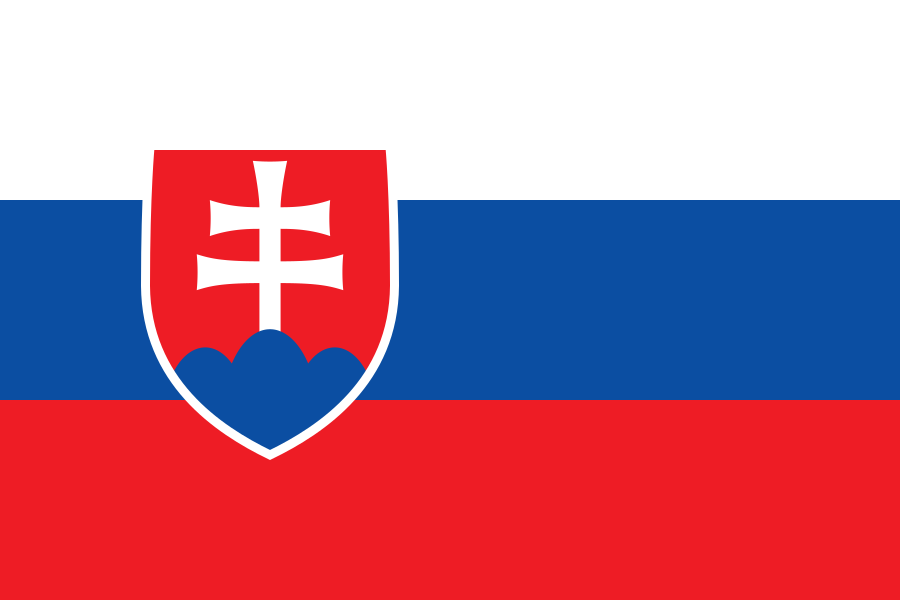 Slovakia Slovakia | Bratislava | EUR € | 5,413,813 |
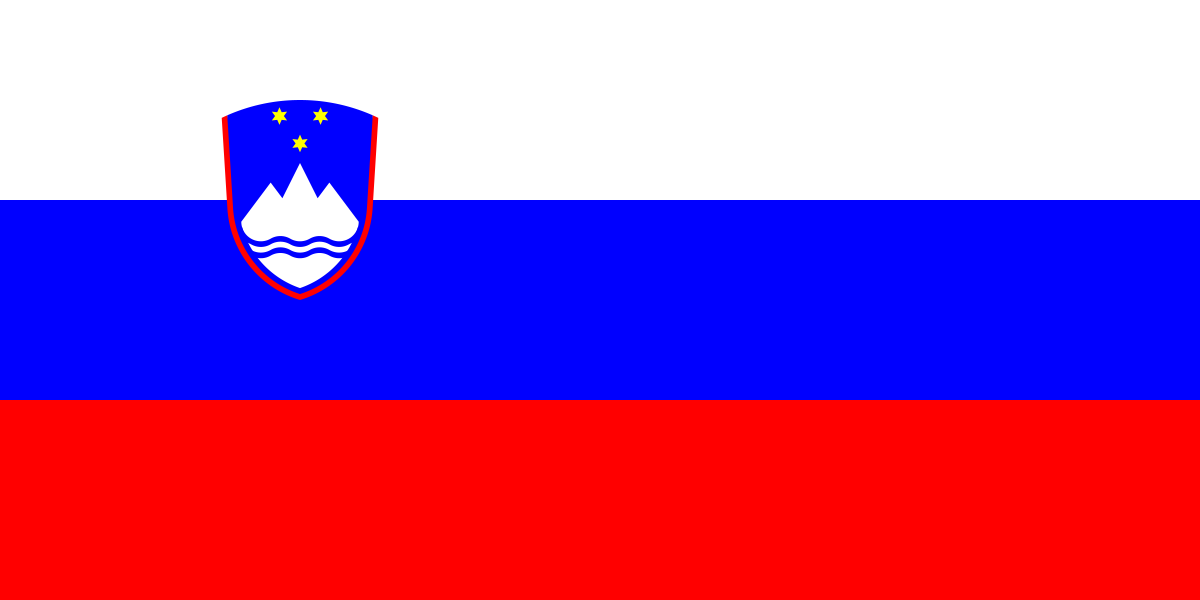 Slovenia Slovenia | Ljubljana | EUR € | 2,130,986 |
 Ukraine Ukraine | Kyiv | UAH ₴ | 38,980,376 |
Frequently asked questions
What are the Slavic countries?
What are the three branches of Slavic languages?
Related lists
Populations from the World Bank (SP.POP.TOTL); other fields from open datasets. Sources and vintage on the data page. Membership of cultural regions can vary between sources; this list uses the definition described above.